<?xml version="1.0" encoding="UTF-8"?><feed
	xmlns="http://www.w3.org/2005/Atom"
	xmlns:thr="http://purl.org/syndication/thread/1.0"
	xml:lang="en-US"
	>
	<title type="text">Smart Politics</title>
	<subtitle type="text">Political Analysis By and Beyond the Numbers Since 2006</subtitle>

	<updated>2026-06-04T14:49:25Z</updated>

	<link rel="alternate" type="text/html" href="https://smartpolitics.lib.umn.edu/" />
	<id>https://smartpolitics.lib.umn.edu/feed/atom/</id>
	<link rel="self" type="application/atom+xml" href="https://smartpolitics.lib.umn.edu/feed/atom/" />

	<generator uri="https://wordpress.org/" version="7.0">WordPress</generator>
<icon>https://smartpolitics.lib.umn.edu/wp-content/uploads/2020/06/favicon.png</icon>
	<entry>
		<author>
			<name>Dr. Eric Ostermeier</name>
					</author>

		<title type="html"><![CDATA[Could Iowa Democrats Win 2026’s Gubernatorial and US Senate Races?]]></title>
		<link rel="alternate" type="text/html" href="https://smartpolitics.lib.umn.edu/2026/06/03/could-iowa-democrats-win-2026s-gubernatorial-and-us-senate-races/?utm_source=rss&#038;utm_medium=rss&#038;utm_campaign=could-iowa-democrats-win-2026s-gubernatorial-and-us-senate-races" />

		<id>https://smartpolitics.lib.umn.edu/?p=460185</id>
		<updated>2026-06-04T14:49:25Z</updated>
		<published>2026-06-03T16:37:22Z</published>
		<category scheme="https://smartpolitics.lib.umn.edu/" term="Governorships" /><category scheme="https://smartpolitics.lib.umn.edu/" term="Iowa" /><category scheme="https://smartpolitics.lib.umn.edu/" term="U.S. Senate" /><category scheme="https://smartpolitics.lib.umn.edu/" term="featured" /><category scheme="https://smartpolitics.lib.umn.edu/" term="news" />
		<summary type="html"><![CDATA[<a href="https://smartpolitics.lib.umn.edu/2026/06/03/could-iowa-democrats-win-2026s-gubernatorial-and-us-senate-races/" title="Could Iowa Democrats Win 2026’s Gubernatorial and US Senate Races?" rel="nofollow"><img width="150" height="150" src="https://smartpolitics.lib.umn.edu/wp-content/uploads/2020/06/iowademocrats30-150x150.jpg" class="webfeedsFeaturedVisual wp-post-image" alt="Iowa Democratic Party logo" style="display: block; margin: auto; margin-bottom: 5px;max-width: 100%;" link_thumbnail="1" decoding="async" srcset="https://smartpolitics.lib.umn.edu/wp-content/uploads/2020/06/iowademocrats30-150x150.jpg 150w, https://smartpolitics.lib.umn.edu/wp-content/uploads/2020/06/iowademocrats30-300x300.jpg 300w, https://smartpolitics.lib.umn.edu/wp-content/uploads/2020/06/iowademocrats30.jpg 459w" sizes="(max-width: 150px) 100vw, 150px" /></a><p>Iowa has had open seats for governor and the U.S. Senate in just two of the previous 30 cycles in which both offices have been on the ballot since 1914.</p>
<p>The post <a href="https://smartpolitics.lib.umn.edu/2026/06/03/could-iowa-democrats-win-2026s-gubernatorial-and-us-senate-races/">Could Iowa Democrats Win 2026’s Gubernatorial and US Senate Races?</a> appeared first on <a href="https://smartpolitics.lib.umn.edu">Smart Politics</a>.</p>
]]></summary>

					<content type="html" xml:base="https://smartpolitics.lib.umn.edu/2026/06/03/could-iowa-democrats-win-2026s-gubernatorial-and-us-senate-races/?utm_source=rss&#038;utm_medium=rss&#038;utm_campaign=could-iowa-democrats-win-2026s-gubernatorial-and-us-senate-races"><![CDATA[<a href="https://smartpolitics.lib.umn.edu/2026/06/03/could-iowa-democrats-win-2026s-gubernatorial-and-us-senate-races/" title="Could Iowa Democrats Win 2026’s Gubernatorial and US Senate Races?" rel="nofollow"><img width="150" height="150" src="https://smartpolitics.lib.umn.edu/wp-content/uploads/2020/06/iowademocrats30-150x150.jpg" class="webfeedsFeaturedVisual wp-post-image" alt="Iowa Democratic Party logo" style="display: block; margin: auto; margin-bottom: 5px;max-width: 100%;" link_thumbnail="1" decoding="async" srcset="https://smartpolitics.lib.umn.edu/wp-content/uploads/2020/06/iowademocrats30-150x150.jpg 150w, https://smartpolitics.lib.umn.edu/wp-content/uploads/2020/06/iowademocrats30-300x300.jpg 300w, https://smartpolitics.lib.umn.edu/wp-content/uploads/2020/06/iowademocrats30.jpg 459w" sizes="(max-width: 150px) 100vw, 150px" /></a><p><strong>Iowa has had open seats for governor and the U.S. Senate in just two of the previous 30 cycles in which both offices have been on the ballot since 1914</strong></p>
<p><img fetchpriority="high" decoding="async" class="size-full wp-image-455974 alignright" src="https://smartpolitics.lib.umn.edu/wp-content/uploads/2020/06/iowademocrats20.jpg" alt="Iowa Democratic Party logo" width="269" height="251" />Iowa Democrats landed their preferred gubernatorial candidate this cycle when Auditor Rob Sand – the only party member currently holding statewide office – entered the race more than a year ago; Sand won Tuesday’s primary without opposition.</p>
<p>Yesterday’s primary also saw Democratic State Representative Josh Turek soundly defeat State Senator Zach Wahls, arguably giving the party its best shot at winning its first U.S. Senate seat since Tom Harkin in 2008.</p>
<p>On the Republican side, three-term U.S. Representative Ashley Hinson coasted as expected to win the U.S. Senate nomination by nearly 50 points over former State Senator Jim Carlin while farmer Zach Lahn turned heads by notching a narrow plurality win over three-term U.S. Representative Randy Feenstra in the race for governor.</p>
<p>Although the party has lost its footing in the Hawkeye State in recent cycles, Democrats are as well-positioned now to sweep the offices of governor and U.S. Senate as they could possibly hope for in the GOP-leaning state, with both offices landing on the ballot during the midterms of a Republican president who is currently enduring very low approval ratings.</p>
<p>Additionally, Iowa is in the rare position of electing candidates to both of these seats in 2026 without an incumbent on the ballot.</p>
<p>That has occurred in only two of 30 cycles in Iowa since the country began electing U.S. Senators directly in 1913.</p>
<p>The first such election took place in 1960 when Republican U.S. Senator Thomas Martin retired after one term and two-term Democratic Governor Herschel Loveless opted to run instead for Martin’s seat – thus opening up both seats.</p>
<p>Republicans won each seat in competitive races: GOP State Senator Jack Miller defeated Loveless by 3.8 points and Republican Attorney General Norman Erbe beat sitting Lieutenant Governor Edward McManus by 4.3 points. Richard Nixon carried Iowa by 13.5 points at the top of the GOP ticket.</p>
<p>Similarly, at the end of the decade in 1968, four-term GOP U.S. Senator Bourke Hickenlooper retired, prompting Democratic Governor Harold Hughes to run for the open seat.</p>
<p>In this case, Democrats flipped the open U.S. Senate seat with Hughes eking out a 0.6-point win over State Representative David Stanley but the GOP took back the governorship with former state party Chairman Robert Ray defeating Treasurer Paul Franzenburg by 8.2 points.</p>
<p>So how unusual would it be for Democrats to pull off wins in these two offices in 2026?</p>
<p>Democrats have simultaneously notched victories in elections for governor and U.S. Senator in just three of these 30 cycles since 1914, with two instances occurring during major national landslides.</p>
<p>In 1932, Republican U.S. Senator Smith Brookhart lost his party’s nomination (and ran in the general as a Progressive) while former Democratic Dubuque newspaper editor Louis Murphy easily defeated GOP businessman Henry Field of Shenandoah by 13.9 points.</p>
<p>In the race for governor, former Des Moines Ford dealer Clyde Herring unseated one-term incumbent Dan Turner by 5.5 points.</p>
<p>Four years later, with Franklin Roosevelt again at the top of the ticket, Lieutenant Governor Nelson Kraschel scratched out a 0.2-point victory against State Senator George Wilson to become governor while Democrats swept general and special elections for the U.S. Senate behind two-term U.S. Representative Guy Gillette and the aforementioned Governor Herring.</p>
<p>It would take another 66 years – after 17 failed attempts – for Democrats to again win each of these offices during the same cycle.</p>
<p>In 2002, the party accomplished this feat behind popular incumbents: Governor Tom Vilsack won a second term and U.S. Senator Tom Harkin was reelected to his fourth.</p>
<p>But if Democrats should<em> lose</em> both races in 2026 as well as fail to win any of the offices of auditor, attorney general, secretary of state, treasurer, and secretary of agriculture, it would mark the first time the party did not hold a single statewide office since the Election of 1954.</p>
<p>During that cycle, the GOP swept the offices of governor, lieutenant governor, secretary of state, auditor, attorney general (in special and general elections), treasurer, secretary of agriculture, and commerce commissioner, plus three seats to the supreme court and one to the U.S. Senate (already holding the other seat in the chamber).</p>
<p>Follow <strong>Smart Politics</strong> on <a href="https://x.com/SmartPolitics" target="_blank" rel="noopener"><strong>X</strong></a>.</p>
<p>The post <a href="https://smartpolitics.lib.umn.edu/2026/06/03/could-iowa-democrats-win-2026s-gubernatorial-and-us-senate-races/">Could Iowa Democrats Win 2026’s Gubernatorial and US Senate Races?</a> appeared first on <a href="https://smartpolitics.lib.umn.edu">Smart Politics</a>.</p>
]]></content>
		
					<link rel="replies" type="text/html" href="https://smartpolitics.lib.umn.edu/2026/06/03/could-iowa-democrats-win-2026s-gubernatorial-and-us-senate-races/?utm_source=rss&#038;utm_medium=rss&#038;utm_campaign=could-iowa-democrats-win-2026s-gubernatorial-and-us-senate-races#comments" thr:count="2" />
			<link rel="replies" type="application/atom+xml" href="https://smartpolitics.lib.umn.edu/2026/06/03/could-iowa-democrats-win-2026s-gubernatorial-and-us-senate-races/feed/atom/" thr:count="2" />
			<thr:total>2</thr:total>
			</entry>
		<entry>
		<author>
			<name>Dr. Eric Ostermeier</name>
					</author>

		<title type="html"><![CDATA[Ken Paxton and a Review of Texas US Senate Primary Runoffs]]></title>
		<link rel="alternate" type="text/html" href="https://smartpolitics.lib.umn.edu/2026/05/27/ken-paxton-and-a-review-of-texas-us-senate-primary-runoffs/?utm_source=rss&#038;utm_medium=rss&#038;utm_campaign=ken-paxton-and-a-review-of-texas-us-senate-primary-runoffs" />

		<id>https://smartpolitics.lib.umn.edu/?p=460180</id>
		<updated>2026-05-28T02:38:32Z</updated>
		<published>2026-05-28T02:38:32Z</published>
		<category scheme="https://smartpolitics.lib.umn.edu/" term="Texas" /><category scheme="https://smartpolitics.lib.umn.edu/" term="U.S. Senate" /><category scheme="https://smartpolitics.lib.umn.edu/" term="featured" /><category scheme="https://smartpolitics.lib.umn.edu/" term="news" />
		<summary type="html"><![CDATA[<a href="https://smartpolitics.lib.umn.edu/2026/05/27/ken-paxton-and-a-review-of-texas-us-senate-primary-runoffs/" title="Ken Paxton and a Review of Texas US Senate Primary Runoffs" rel="nofollow"><img width="150" height="150" src="https://smartpolitics.lib.umn.edu/wp-content/uploads/2026/05/kenpaxton30-150x150.jpg" class="webfeedsFeaturedVisual wp-post-image" alt="Photo of Texas Attorney General Ken Paxton" style="display: block; margin: auto; margin-bottom: 5px;max-width: 100%;" link_thumbnail="1" decoding="async" srcset="https://smartpolitics.lib.umn.edu/wp-content/uploads/2026/05/kenpaxton30-150x150.jpg 150w, https://smartpolitics.lib.umn.edu/wp-content/uploads/2026/05/kenpaxton30-300x300.jpg 300w, https://smartpolitics.lib.umn.edu/wp-content/uploads/2026/05/kenpaxton30-100x100.jpg 100w, https://smartpolitics.lib.umn.edu/wp-content/uploads/2026/05/kenpaxton30.jpg 410w" sizes="(max-width: 150px) 100vw, 150px" /></a><p>Paxton received the largest support in a Texas U.S. Senate runoff for a second place primary finisher.</p>
<p>The post <a href="https://smartpolitics.lib.umn.edu/2026/05/27/ken-paxton-and-a-review-of-texas-us-senate-primary-runoffs/">Ken Paxton and a Review of Texas US Senate Primary Runoffs</a> appeared first on <a href="https://smartpolitics.lib.umn.edu">Smart Politics</a>.</p>
]]></summary>

					<content type="html" xml:base="https://smartpolitics.lib.umn.edu/2026/05/27/ken-paxton-and-a-review-of-texas-us-senate-primary-runoffs/?utm_source=rss&#038;utm_medium=rss&#038;utm_campaign=ken-paxton-and-a-review-of-texas-us-senate-primary-runoffs"><![CDATA[<a href="https://smartpolitics.lib.umn.edu/2026/05/27/ken-paxton-and-a-review-of-texas-us-senate-primary-runoffs/" title="Ken Paxton and a Review of Texas US Senate Primary Runoffs" rel="nofollow"><img width="150" height="150" src="https://smartpolitics.lib.umn.edu/wp-content/uploads/2026/05/kenpaxton30-150x150.jpg" class="webfeedsFeaturedVisual wp-post-image" alt="Photo of Texas Attorney General Ken Paxton" style="display: block; margin: auto; margin-bottom: 5px;max-width: 100%;" link_thumbnail="1" decoding="async" srcset="https://smartpolitics.lib.umn.edu/wp-content/uploads/2026/05/kenpaxton30-150x150.jpg 150w, https://smartpolitics.lib.umn.edu/wp-content/uploads/2026/05/kenpaxton30-300x300.jpg 300w, https://smartpolitics.lib.umn.edu/wp-content/uploads/2026/05/kenpaxton30-100x100.jpg 100w, https://smartpolitics.lib.umn.edu/wp-content/uploads/2026/05/kenpaxton30.jpg 410w" sizes="(max-width: 150px) 100vw, 150px" /></a><p><strong>Paxton received the largest support in a Texas U.S. Senate runoff for a second place primary finisher</strong></p>
<p><img decoding="async" class="size-full wp-image-460181 alignright" src="https://smartpolitics.lib.umn.edu/wp-content/uploads/2026/05/kenpaxton20.jpg" alt="Photo of Texas Attorney General Ken Paxton" width="205" height="252" srcset="https://smartpolitics.lib.umn.edu/wp-content/uploads/2026/05/kenpaxton20.jpg 205w, https://smartpolitics.lib.umn.edu/wp-content/uploads/2026/05/kenpaxton20-81x100.jpg 81w" sizes="(max-width: 205px) 100vw, 205px" />Four-term incumbent John Cornyn became the first GOP Texas U.S. Senator to lose at the ballot box in state history with Attorney General Ken Paxton defeating him in Tuesday’s Republican primary runoff.</p>

<p>Prior to Cornyn’s loss, Texas Republican U.S. Senators had won all 26 primary and general elections: John Tower (all six), Phil Gramm (all four), Kay Bailey Hutchison (all six), Ted Cruz (all four), and Cornyn (six previous contests).</p>
<p>The 63.8 percent won by Paxton on Tuesday is the largest support received in a runoff by a second-place Texas U.S. Senate primary finisher and the second largest overall.</p>
<p>From the first primary in the state in 1906 through this cycle, there have been 18 U.S. Senate primary runoff elections for the office – 14 for the Democrats and four for the GOP.</p>
<p>In 10 of these elections, the second place finisher in the primary – like Paxton – ended up winning their party’s nomination.</p>
<p>The previous high water mark for these other nine come-from-behind nominees was held by two-term Democratic incumbent <strong>Charles Culberson</strong> in 1916 with 63.4 percent. Culberson won only 21.9 percent in the seven-candidate primary field – 8.1 points behind former Governor O.B. Colquitt but defeated Colquitt by 26.6 points in the runoff.</p>
<p>The remaining eight second place finishers to win the U.S. Senate runoff in Texas are:</p>
<ul>
<li>Six-term Democratic U.S. Representative <strong>Tom Connally</strong> (1928, 55.4 percent): Connally trailed first term U.S. Senator Earle Mayfield by 3.3 points with 26.4 percent in the primary</li>
<li>Six-term Democratic U.S. Representative <strong>Lyndon Johnson</strong> (1948, 50.004 percent): Johnson (controversially) overcame a 6.0-point deficit with 33.7 percent in the 11-candidate primary to best former Governor Coke Stevenson</li>
<li>Former Democratic State Representative <strong>Barefoot Sanders</strong> (1972, 52.0 percent): Sanders trailed former U.S. Senator Ralph Yarborough by 11.9 points with 38.1 percent in the five-candidate primary. Yarborough was 536 votes short of avoiding a runoff.</li>
<li>Democratic State Senator <strong>Lloyd Doggett</strong> (1984, 50.02 percent): Doggett trailed three-term U.S. Representative Kent Hance by 0.02 points with 31.17 percent of the vote in the six-candidate primary – just .09 points ahead of third-place finisher, two-term U.S. Representative Bob Krueger</li>
<li>Two-term Republican U.S. Representative <strong>Beau Boulter </strong>(1988, 60.2 percent): Boulter overcame a 6.2-point deficit with 30.5 percent behind Houston oil and real estate businessman Wes Gilbreath in the four-candidate primary</li>
<li>Democratic Dallas financier <strong>Richard Fisher</strong> (1994, 53.6 percent): Fisher came back to defeat former two-term U.S. Representative and state Attorney General Jim Mattox after trailing by 2.7 points in the four-candidate primary</li>
<li>Democratic Dallas Mayor <strong>Ron Kirk</strong> (2002, 59.8 percent): Kirk was only 0.1 points in arrears of Crandall teacher Victor Morales with 33.1 percent in the five-candidate primary</li>
<li>Former Republican state Solicitor General <strong>Ted Cruz</strong> (2012, 56.8 percent): Cruz came back to beat Lieutenant Governor David Dewhurst after trailing by 10.5 points with 34.2 percent in the nine-candidate primary field</li>
</ul>
<p>The remaining eight runoff winners who had placed first with a plurality in their party’s U.S. Senate primaries are: Democratic Railroad Commissioner Earle Mayfield (1922), Democratic U.S. Senator Pappy O’Daniel (1942), Republican Houston oil executive George H.W Bush (1964), Democratic Crandall City Councilor Victor Morales (1996), retired Democratic attorney Gene Kelley of Universal City (2000), Democratic Houston attorney Barbara Ann Radnofsky (2006), former Democratic State Representative Paul Sadler (2012), and Democratic Dallas dentist David Alameel (2014).</p>
<p>Alameel holds the state record by winning 72.2 percent in his runoff election against Lyndon LaRouche-ite Kesha Rogers in 2014.</p>
<p>Follow <strong>Smart Politics</strong> on <a href="https://x.com/SmartPolitics" target="_blank" rel="noopener"><strong>X</strong></a>.</p>
<p>The post <a href="https://smartpolitics.lib.umn.edu/2026/05/27/ken-paxton-and-a-review-of-texas-us-senate-primary-runoffs/">Ken Paxton and a Review of Texas US Senate Primary Runoffs</a> appeared first on <a href="https://smartpolitics.lib.umn.edu">Smart Politics</a>.</p>
]]></content>
		
					<link rel="replies" type="text/html" href="https://smartpolitics.lib.umn.edu/2026/05/27/ken-paxton-and-a-review-of-texas-us-senate-primary-runoffs/?utm_source=rss&#038;utm_medium=rss&#038;utm_campaign=ken-paxton-and-a-review-of-texas-us-senate-primary-runoffs#comments" thr:count="4" />
			<link rel="replies" type="application/atom+xml" href="https://smartpolitics.lib.umn.edu/2026/05/27/ken-paxton-and-a-review-of-texas-us-senate-primary-runoffs/feed/atom/" thr:count="4" />
			<thr:total>4</thr:total>
			</entry>
		<entry>
		<author>
			<name>Dr. Eric Ostermeier</name>
					</author>

		<title type="html"><![CDATA[No Mitch, No Problem: Kentucky Republicans Set Party Record]]></title>
		<link rel="alternate" type="text/html" href="https://smartpolitics.lib.umn.edu/2026/05/19/no-mitch-no-problem-kentucky-republicans-set-party-record/?utm_source=rss&#038;utm_medium=rss&#038;utm_campaign=no-mitch-no-problem-kentucky-republicans-set-party-record" />

		<id>https://smartpolitics.lib.umn.edu/?p=460175</id>
		<updated>2026-05-19T19:05:31Z</updated>
		<published>2026-05-19T19:04:27Z</published>
		<category scheme="https://smartpolitics.lib.umn.edu/" term="Kentucky" /><category scheme="https://smartpolitics.lib.umn.edu/" term="U.S. Senate" /><category scheme="https://smartpolitics.lib.umn.edu/" term="featured" /><category scheme="https://smartpolitics.lib.umn.edu/" term="news" />
		<summary type="html"><![CDATA[<a href="https://smartpolitics.lib.umn.edu/2026/05/19/no-mitch-no-problem-kentucky-republicans-set-party-record/" title="No Mitch, No Problem: Kentucky Republicans Set Party Record" rel="nofollow"><img width="150" height="150" src="https://smartpolitics.lib.umn.edu/wp-content/uploads/2022/12/kentuckygoplogo30-150x150.png" class="webfeedsFeaturedVisual wp-post-image" alt="Kentucky Republican Party logo" style="display: block; margin: auto; margin-bottom: 5px;max-width: 100%;" link_thumbnail="1" decoding="async" srcset="https://smartpolitics.lib.umn.edu/wp-content/uploads/2022/12/kentuckygoplogo30-150x150.png 150w, https://smartpolitics.lib.umn.edu/wp-content/uploads/2022/12/kentuckygoplogo30-300x300.png 300w, https://smartpolitics.lib.umn.edu/wp-content/uploads/2022/12/kentuckygoplogo30-100x100.png 100w, https://smartpolitics.lib.umn.edu/wp-content/uploads/2022/12/kentuckygoplogo30.png 405w" sizes="(max-width: 150px) 100vw, 150px" /></a><p>A record number of Republicans are vying for their party’s U.S. Senate nomination this cycle.</p>
<p>The post <a href="https://smartpolitics.lib.umn.edu/2026/05/19/no-mitch-no-problem-kentucky-republicans-set-party-record/">No Mitch, No Problem: Kentucky Republicans Set Party Record</a> appeared first on <a href="https://smartpolitics.lib.umn.edu">Smart Politics</a>.</p>
]]></summary>

					<content type="html" xml:base="https://smartpolitics.lib.umn.edu/2026/05/19/no-mitch-no-problem-kentucky-republicans-set-party-record/?utm_source=rss&#038;utm_medium=rss&#038;utm_campaign=no-mitch-no-problem-kentucky-republicans-set-party-record"><![CDATA[<a href="https://smartpolitics.lib.umn.edu/2026/05/19/no-mitch-no-problem-kentucky-republicans-set-party-record/" title="No Mitch, No Problem: Kentucky Republicans Set Party Record" rel="nofollow"><img width="150" height="150" src="https://smartpolitics.lib.umn.edu/wp-content/uploads/2022/12/kentuckygoplogo30-150x150.png" class="webfeedsFeaturedVisual wp-post-image" alt="Kentucky Republican Party logo" style="display: block; margin: auto; margin-bottom: 5px;max-width: 100%;" link_thumbnail="1" decoding="async" srcset="https://smartpolitics.lib.umn.edu/wp-content/uploads/2022/12/kentuckygoplogo30-150x150.png 150w, https://smartpolitics.lib.umn.edu/wp-content/uploads/2022/12/kentuckygoplogo30-300x300.png 300w, https://smartpolitics.lib.umn.edu/wp-content/uploads/2022/12/kentuckygoplogo30-100x100.png 100w, https://smartpolitics.lib.umn.edu/wp-content/uploads/2022/12/kentuckygoplogo30.png 405w" sizes="(max-width: 150px) 100vw, 150px" /></a><p><strong>A record number of Republicans are vying for their party’s U.S. Senate nomination this cycle</strong></p>
<p><img decoding="async" class="size-full wp-image-458591 alignright" src="https://smartpolitics.lib.umn.edu/wp-content/uploads/2022/12/kentuckygoplogo20.png" alt="Kentucky Republican Party logo" width="252" height="252" srcset="https://smartpolitics.lib.umn.edu/wp-content/uploads/2022/12/kentuckygoplogo20.png 252w, https://smartpolitics.lib.umn.edu/wp-content/uploads/2022/12/kentuckygoplogo20-150x150.png 150w, https://smartpolitics.lib.umn.edu/wp-content/uploads/2022/12/kentuckygoplogo20-100x100.png 100w" sizes="(max-width: 252px) 100vw, 252px" />Although the race to replace seven-term Republican Mitch McConnell has only two viable candidates to win the nomination on Tuesday – seven-term U.S. Representative Andy Barr and former state Attorney General Daniel Cameron – the floodgates opened this cycle with a record number of GOP hopefuls on the 2026 primary ballot.</p>
<p>After businessman Nate Morris withdrew from the race just a few weeks before Election Day, a final tally of 11 Republicans landed on the ballot.</p>
<p>That breaks the previous party record of eight candidates who ran in 2020 when McConnell was nominated for the seventh and final time for the office. McConnell coasted to the nomination with 82.8 percent of the vote with no other candidate receiving more than six percent.</p>
<p>McConnell only received one free pass to the nomination over his long career. That came in 2002 en route to his fourth term.</p>
<p>The 60.2 percent McConnell won in his high profile 2014 contest against eventual Governor Matt Bevin was the<a href="https://smartpolitics.lib.umn.edu/2014/05/21/mcconnell-records-weakest-kent/"> weakest showing by an incumbent in a Kentucky U.S. Senate primary since Democrat Alben Barkley received 56.1 percent</a> in a seven-candidate field featuring Governor Happy Chandler.</p>
<p>An average of 3.2 Republicans have appeared on U.S. Senate primary ballots in Kentucky across the 44 special and regular primaries since 1914.</p>
<p>The state record for the largest number of U.S. Senate primary candidates was set by the Democrats in 1968 for Republican Thruston Morton’s open seat.</p>
<p>That primary of 12 Democrats included the state’s first woman commissioner Katherine Peden of Hopkinsville (Commissioner of Commerce, 1963-1967), former State Representative and U.S. Representative John Brown, former State Representative and State Democratic Chair Foster Ockerman of Lexington, former State Representative Ted Osborn of Lexington, and Fort Mitchell teacher Dixie Lee.</p>
<p>Peden handily won the nomination by 17.1 points over Brown with 42.5 percent of the vote but lost the general election to Jefferson County Judge Marlow Cook.</p>
<p>An average of 3.9 Democrats have sought their party’s nomination for the office since 1914.</p>
<p>With seven Democrats in the race in 2026, the collective 18 major party candidates on the ballot on Tuesday ties a state record set in 2020 when the aforementioned eight Republicans (won by McConnell) and 10 Democrats (Amy McGrath) ran that cycle.</p>
<p>McGrath and 2022 Democratic U.S. Senate nominee Charles Booker are the leading contenders on the Democratic side of the ballot.</p>
<p>Follow <strong>Smart Politics</strong> on <a href="https://x.com/SmartPolitics" target="_blank" rel="noopener"><strong>X</strong></a>.</p>
<p>The post <a href="https://smartpolitics.lib.umn.edu/2026/05/19/no-mitch-no-problem-kentucky-republicans-set-party-record/">No Mitch, No Problem: Kentucky Republicans Set Party Record</a> appeared first on <a href="https://smartpolitics.lib.umn.edu">Smart Politics</a>.</p>
]]></content>
		
					<link rel="replies" type="text/html" href="https://smartpolitics.lib.umn.edu/2026/05/19/no-mitch-no-problem-kentucky-republicans-set-party-record/?utm_source=rss&#038;utm_medium=rss&#038;utm_campaign=no-mitch-no-problem-kentucky-republicans-set-party-record#comments" thr:count="2" />
			<link rel="replies" type="application/atom+xml" href="https://smartpolitics.lib.umn.edu/2026/05/19/no-mitch-no-problem-kentucky-republicans-set-party-record/feed/atom/" thr:count="2" />
			<thr:total>2</thr:total>
			</entry>
		<entry>
		<author>
			<name>Dr. Eric Ostermeier</name>
					</author>

		<title type="html"><![CDATA[Coasting to the Finals]]></title>
		<link rel="alternate" type="text/html" href="https://smartpolitics.lib.umn.edu/2026/05/19/coasting-to-the-finals/?utm_source=rss&#038;utm_medium=rss&#038;utm_campaign=coasting-to-the-finals" />

		<id>https://smartpolitics.lib.umn.edu/?p=460172</id>
		<updated>2026-05-19T18:41:03Z</updated>
		<published>2026-05-19T18:41:03Z</published>
		<category scheme="https://smartpolitics.lib.umn.edu/" term="Political Crumbs" />
		<summary type="html"><![CDATA[<p>For just the second time in state history, the Democratic and Republican nominees are running unopposed in Pennsylvania’s gubernatorial primaries with Democratic Governor Josh Shapiro and GOP state Treasurer Stacy Garrity advancing to the general election on Tuesday. The only other cycle in which neither party held a contested primary for the office was in&#8230;</p>
<p>The post <a href="https://smartpolitics.lib.umn.edu/2026/05/19/coasting-to-the-finals/">Coasting to the Finals</a> appeared first on <a href="https://smartpolitics.lib.umn.edu">Smart Politics</a>.</p>
]]></summary>

					<content type="html" xml:base="https://smartpolitics.lib.umn.edu/2026/05/19/coasting-to-the-finals/?utm_source=rss&#038;utm_medium=rss&#038;utm_campaign=coasting-to-the-finals"><![CDATA[<p>For just the second time in state history, the Democratic and Republican nominees are running unopposed in Pennsylvania’s gubernatorial primaries with Democratic Governor Josh Shapiro and GOP state Treasurer Stacy Garrity advancing to the general election on Tuesday. The only other cycle in which neither party held a contested primary for the office was in 2006 when Democratic Governor Ed Rendell and former NFL Hall of Famer Lynn Swann won nominations without opposition. Uncontested primaries were also held in 1930, 2018, and 2022 for the Democrats and 1970, 1982, 1986, 1998, 2002, and 2014 for the GOP out of the 29 primaries held for the office since 1914.</p>
<p>The post <a href="https://smartpolitics.lib.umn.edu/2026/05/19/coasting-to-the-finals/">Coasting to the Finals</a> appeared first on <a href="https://smartpolitics.lib.umn.edu">Smart Politics</a>.</p>
]]></content>
		
					<link rel="replies" type="text/html" href="https://smartpolitics.lib.umn.edu/2026/05/19/coasting-to-the-finals/?utm_source=rss&#038;utm_medium=rss&#038;utm_campaign=coasting-to-the-finals#comments" thr:count="1" />
			<link rel="replies" type="application/atom+xml" href="https://smartpolitics.lib.umn.edu/2026/05/19/coasting-to-the-finals/feed/atom/" thr:count="1" />
			<thr:total>1</thr:total>
			</entry>
		<entry>
		<author>
			<name>Dr. Eric Ostermeier</name>
					</author>

		<title type="html"><![CDATA[Pillen Makes It 19 for 19]]></title>
		<link rel="alternate" type="text/html" href="https://smartpolitics.lib.umn.edu/2026/05/13/pillen-makes-it-19-for-19/?utm_source=rss&#038;utm_medium=rss&#038;utm_campaign=pillen-makes-it-19-for-19" />

		<id>https://smartpolitics.lib.umn.edu/?p=460162</id>
		<updated>2026-05-13T20:54:55Z</updated>
		<published>2026-05-13T20:25:53Z</published>
		<category scheme="https://smartpolitics.lib.umn.edu/" term="Political Crumbs" />
		<summary type="html"><![CDATA[<p>In Nebraska’s Republican gubernatorial primary on Tuesday, incumbent Jim Pillen cruised to a 66.2-point victory in a five-candidate field as he seeks a second term this November. Pillen’s victory marked the 19th successful renomination bid by a sitting Nebraska GOP governor out of 19 attempts dating back to the state’s first primary in 1908 when&#8230;</p>
<p>The post <a href="https://smartpolitics.lib.umn.edu/2026/05/13/pillen-makes-it-19-for-19/">Pillen Makes It 19 for 19</a> appeared first on <a href="https://smartpolitics.lib.umn.edu">Smart Politics</a>.</p>
]]></summary>

					<content type="html" xml:base="https://smartpolitics.lib.umn.edu/2026/05/13/pillen-makes-it-19-for-19/?utm_source=rss&#038;utm_medium=rss&#038;utm_campaign=pillen-makes-it-19-for-19"><![CDATA[<p>In Nebraska’s Republican gubernatorial primary on Tuesday, incumbent Jim Pillen cruised to a 66.2-point victory in a five-candidate field as he seeks a second term this November. Pillen’s victory marked the 19th successful renomination bid by a sitting Nebraska GOP governor out of 19 attempts dating back to the state’s first primary in 1908 when Republican Governor George Sheldon won without opposition. Overall, Nebraska governors are 30 for 31 in securing their party’s nomination during the primary era with only Democrat Ashton Schallenberger falling short in 1910 – losing by 0.6 points to Omaha Mayor James Dahlman.</p>
<p>The post <a href="https://smartpolitics.lib.umn.edu/2026/05/13/pillen-makes-it-19-for-19/">Pillen Makes It 19 for 19</a> appeared first on <a href="https://smartpolitics.lib.umn.edu">Smart Politics</a>.</p>
]]></content>
		
					<link rel="replies" type="text/html" href="https://smartpolitics.lib.umn.edu/2026/05/13/pillen-makes-it-19-for-19/?utm_source=rss&#038;utm_medium=rss&#038;utm_campaign=pillen-makes-it-19-for-19#comments" thr:count="0" />
			<link rel="replies" type="application/atom+xml" href="https://smartpolitics.lib.umn.edu/2026/05/13/pillen-makes-it-19-for-19/feed/atom/" thr:count="0" />
			<thr:total>0</thr:total>
			</entry>
		<entry>
		<author>
			<name>Dr. Eric Ostermeier</name>
					</author>

		<title type="html"><![CDATA[Is the US House In Its Unstable Era?]]></title>
		<link rel="alternate" type="text/html" href="https://smartpolitics.lib.umn.edu/2026/05/13/is-the-us-house-in-its-unstable-era/?utm_source=rss&#038;utm_medium=rss&#038;utm_campaign=is-the-us-house-in-its-unstable-era" />

		<id>https://smartpolitics.lib.umn.edu/?p=460158</id>
		<updated>2026-05-13T21:00:52Z</updated>
		<published>2026-05-13T18:11:39Z</published>
		<category scheme="https://smartpolitics.lib.umn.edu/" term="U.S. House" /><category scheme="https://smartpolitics.lib.umn.edu/" term="Uncategorized" /><category scheme="https://smartpolitics.lib.umn.edu/" term="featured" /><category scheme="https://smartpolitics.lib.umn.edu/" term="news" />
		<summary type="html"><![CDATA[<a href="https://smartpolitics.lib.umn.edu/2026/05/13/is-the-us-house-in-its-unstable-era/" title="Is the US House In Its Unstable Era?" rel="nofollow"><img width="150" height="150" src="https://smartpolitics.lib.umn.edu/wp-content/uploads/2020/06/ushouseseal30-150x150.png" class="webfeedsFeaturedVisual wp-post-image" alt="Official seal of the U.S. House of Representatives" style="display: block; margin: auto; margin-bottom: 5px;max-width: 100%;" link_thumbnail="1" decoding="async" srcset="https://smartpolitics.lib.umn.edu/wp-content/uploads/2020/06/ushouseseal30-150x150.png 150w, https://smartpolitics.lib.umn.edu/wp-content/uploads/2020/06/ushouseseal30-300x300.png 300w, https://smartpolitics.lib.umn.edu/wp-content/uploads/2020/06/ushouseseal30.png 434w" sizes="(max-width: 150px) 100vw, 150px" /></a><p>Partisan control of the chamber could flip for the third time in five cycles for the first time in 75 years.</p>
<p>The post <a href="https://smartpolitics.lib.umn.edu/2026/05/13/is-the-us-house-in-its-unstable-era/">Is the US House In Its Unstable Era?</a> appeared first on <a href="https://smartpolitics.lib.umn.edu">Smart Politics</a>.</p>
]]></summary>

					<content type="html" xml:base="https://smartpolitics.lib.umn.edu/2026/05/13/is-the-us-house-in-its-unstable-era/?utm_source=rss&#038;utm_medium=rss&#038;utm_campaign=is-the-us-house-in-its-unstable-era"><![CDATA[<a href="https://smartpolitics.lib.umn.edu/2026/05/13/is-the-us-house-in-its-unstable-era/" title="Is the US House In Its Unstable Era?" rel="nofollow"><img width="150" height="150" src="https://smartpolitics.lib.umn.edu/wp-content/uploads/2020/06/ushouseseal30-150x150.png" class="webfeedsFeaturedVisual wp-post-image" alt="Official seal of the U.S. House of Representatives" style="display: block; margin: auto; margin-bottom: 5px;max-width: 100%;" link_thumbnail="1" decoding="async" srcset="https://smartpolitics.lib.umn.edu/wp-content/uploads/2020/06/ushouseseal30-150x150.png 150w, https://smartpolitics.lib.umn.edu/wp-content/uploads/2020/06/ushouseseal30-300x300.png 300w, https://smartpolitics.lib.umn.edu/wp-content/uploads/2020/06/ushouseseal30.png 434w" sizes="(max-width: 150px) 100vw, 150px" /></a><p><strong>Partisan control of the chamber could flip for the third time in five cycles for the first time in 75 years </strong></p>
<p><em><img decoding="async" class="size-full wp-image-454988 alignright" src="https://smartpolitics.lib.umn.edu/wp-content/uploads/2020/06/ushouseseal20.png" alt="Official seal of the U.S. House of Representatives" width="247" height="247" srcset="https://smartpolitics.lib.umn.edu/wp-content/uploads/2020/06/ushouseseal20.png 247w, https://smartpolitics.lib.umn.edu/wp-content/uploads/2020/06/ushouseseal20-150x150.png 150w" sizes="(max-width: 247px) 100vw, 247px" />Thanks to David Nir, publisher of <a href="https://www.the-downballot.com/" target="_blank" rel="noopener">The Downballot</a>, for inquiring about this topic.</em></p>
<p>The odds of Democrats taking back control of the U.S. House of Representatives for the 120th Congress seem to fluctuate by the week as new states delve in and out of mid-cycle redistricting measures.</p>
<p>If Democrats do win a majority of U.S. House seats this November, it would be the third time the chamber has flipped in five election cycles – following the 2018 (GOP to Democratic) and 2022 (Democratic to GOP) midterms.</p>
<p>How unusual would that be?</p>
<p>Over the course of the last 119 Congresses, there have only been five periods during which partisan turnover was this frequent – with the most recent example occurring three-quarters of a century ago.</p>
<p><strong>27th to 31st Congresses (1841-1851): Flipped four out of five cycles</strong></p>
<p>After being out of power for four years, the Whig Party rode the back of William Harrison’s decisive 1840 win and netted more than 30 seats to take a 142-98 seat advantage in the chamber.</p>
<p>However, Harrison died after a month in office and ascended President John Tyler was not popular. As a result, the 1842 midterms saw the Democrats net nearly four-dozen seats to win back control by a 147 to 72 margin.</p>
<p>The Democratic-controlled House only lost a handful of seats in 1844 as their nominee James Polk was elected president, but the Whigs flipped the chamber during the 1846 midterms by netting more than three-dozen seats for a 116 to 100 advantage. The 30th Congress was the last time Whigs would control the House.</p>
<p>Democrats returned to power after the 1848 election despite their party’s nominee Lewis Cass losing the open presidential race to Whig and war hero Zachary Taylor. Democrats rang in the new 31st Congress with a slim margin of control (113 to 108 seats).</p>
<p><strong>34th to 36th Congresses (1855-1861): Flipped in three consecutive cycles</strong></p>
<p>During the period of great political upheaval heading into the Civil War, the U.S. House saw the power of the gavel switch control in three consecutive cycles.</p>
<p>Democrats lost control (100 to 83 to the Oppositionists) after the longest drawn out vote for Speaker in the chamber’s history in 1855 as the Opposition caucus elected Massachusetts Know Nothing Nathaniel Banks as Speaker.</p>
<p>James Buchanan’s decisive 1856 electoral vote majority and popular vote plurality had legs down the ballot as Democrats netted nearly 50 seats and enjoyed a 132 to 90 seat advantage over the recently formed Republican Party for the 35th Congress.</p>
<p>Republicans subsequently netted more than 20 seats during the 1858 midterms to control the 36th Congress (116 to 83).</p>
<p><strong>44th to 48th Congresses (1875-1885): Flipped three out of five cycles</strong></p>
<p>During the 1874 midterms near the end of Reconstruction, the Democratic Party took control of the U.S. House for the first time since the late 1850s, turning a more than 100-seat deficit into a 182 to 103 seat advantage over the Republicans.</p>
<p>Democrats lost more than three dozen seats during the 1876 and 1878 cycles but retained control of the chamber.</p>
<p>However, James Garfield’s narrow victory in 1880 helped Republicans flip the House, holding 151 seats to 128 for the Democrats at the start of the 47th Congress.</p>
<p>Democrats easily won the House back during the 1882 midterms with 196 seats to just 117 for the Republicans.</p>
<p>[The chamber also flipped three times out of five cycles overlapping with the aforementioned Elections of 1880 and 1882 and ending with the GOP winning back control in 1888].</p>
<p><strong>51st to 54th Congresses (1889-1897): Flipped three out of four cycles</strong></p>
<p>After three terms under Democratic control, the U.S. House flipped to the GOP after the 1888 election cycle (179 to 152) despite President Grover Cleveland winning the popular vote.</p>
<p>But Democrats rode a tremendous wave during the 1890 midterms, gaining more than 80 seats to begin the 52nd Congress with 238 seats compared to just 86 for the Republicans.</p>
<p>Republicans cut into that advantage in 1892 despite Cleveland unseating President Benjamin Harrison, but the GOP did not take back control of the House until the 54th Congress following the 1894 midterms – handily doing so by flipping 110+ seats (254 to 93).</p>
<p><strong> 80th to 84th Congresses (1947-1957): Flipped four out of five cycles</strong></p>
<p>Following World War II, Republicans took back control of the House for the first time in 16 years – netting more than four-dozen seats (246 to 188).</p>
<p>Democrats gained 75 seats behind President Harry Truman at the top of the ticket in 1948 to build a large enough advantage (263 to 171 seats) that kept them in power even after Republicans netted more than two dozen seats during the 1950 midterms.</p>
<p>In 1952, however, Republicans rode the coattails of their party’s very popular standard bearer Dwight Eisenhower to erase that deficit in the House entirely, entering the 83rd Congress with 221 seats compared to 213 for the Democrats.</p>
<p>But even Eisenhower saw his party endure a pushback during the midterms, with Democrats flipping the chamber in 1954 – 232 to 203 – enjoying that majority status until after the Republican Revolution of 1994.</p>
<p>Follow <strong>Smart Politics</strong> on <a href="https://x.com/SmartPolitics" target="_blank" rel="noopener"><strong>X</strong></a>.</p>
<p>The post <a href="https://smartpolitics.lib.umn.edu/2026/05/13/is-the-us-house-in-its-unstable-era/">Is the US House In Its Unstable Era?</a> appeared first on <a href="https://smartpolitics.lib.umn.edu">Smart Politics</a>.</p>
]]></content>
		
					<link rel="replies" type="text/html" href="https://smartpolitics.lib.umn.edu/2026/05/13/is-the-us-house-in-its-unstable-era/?utm_source=rss&#038;utm_medium=rss&#038;utm_campaign=is-the-us-house-in-its-unstable-era#comments" thr:count="2" />
			<link rel="replies" type="application/atom+xml" href="https://smartpolitics.lib.umn.edu/2026/05/13/is-the-us-house-in-its-unstable-era/feed/atom/" thr:count="2" />
			<thr:total>2</thr:total>
			</entry>
		<entry>
		<author>
			<name>Dr. Eric Ostermeier</name>
					</author>

		<title type="html"><![CDATA[Brown Sets Ohio Record]]></title>
		<link rel="alternate" type="text/html" href="https://smartpolitics.lib.umn.edu/2026/05/13/brown-sets-ohio-record/?utm_source=rss&#038;utm_medium=rss&#038;utm_campaign=brown-sets-ohio-record" />

		<id>https://smartpolitics.lib.umn.edu/?p=460156</id>
		<updated>2026-05-13T20:54:35Z</updated>
		<published>2026-05-13T15:46:07Z</published>
		<category scheme="https://smartpolitics.lib.umn.edu/" term="Political Crumbs" />
		<summary type="html"><![CDATA[<p>In last week’s Ohio primary, Sherrod Brown set a state record for the most support received in a contested U.S. Senate primary in his race against technologist Ron Kincaid. The former three-term Democratic U.S. Senator won 89.5 percent of the primary vote – breaking incumbent John Glenn’s record of 87.6 percent set in 1986 en&#8230;</p>
<p>The post <a href="https://smartpolitics.lib.umn.edu/2026/05/13/brown-sets-ohio-record/">Brown Sets Ohio Record</a> appeared first on <a href="https://smartpolitics.lib.umn.edu">Smart Politics</a>.</p>
]]></summary>

					<content type="html" xml:base="https://smartpolitics.lib.umn.edu/2026/05/13/brown-sets-ohio-record/?utm_source=rss&#038;utm_medium=rss&#038;utm_campaign=brown-sets-ohio-record"><![CDATA[<p>In last week’s Ohio primary, Sherrod Brown set a state record for the most support received in a contested U.S. Senate primary in his race against technologist Ron Kincaid. The former three-term Democratic U.S. Senator won 89.5 percent of the primary vote – breaking incumbent John Glenn’s record of 87.6 percent set in 1986 en route to his third term. Brown’s mark is now the highest among the 63 contested major party U.S. Senate primaries in Ohio history (34 Democratic, 29 Republican). Fourteen GOP primaries and nine on the Democratic side saw nominees win without opposition, including appointed Republican incumbent Jon Husted this cycle.</p>
<p>The post <a href="https://smartpolitics.lib.umn.edu/2026/05/13/brown-sets-ohio-record/">Brown Sets Ohio Record</a> appeared first on <a href="https://smartpolitics.lib.umn.edu">Smart Politics</a>.</p>
]]></content>
		
					<link rel="replies" type="text/html" href="https://smartpolitics.lib.umn.edu/2026/05/13/brown-sets-ohio-record/?utm_source=rss&#038;utm_medium=rss&#038;utm_campaign=brown-sets-ohio-record#comments" thr:count="0" />
			<link rel="replies" type="application/atom+xml" href="https://smartpolitics.lib.umn.edu/2026/05/13/brown-sets-ohio-record/feed/atom/" thr:count="0" />
			<thr:total>0</thr:total>
			</entry>
		<entry>
		<author>
			<name>Dr. Eric Ostermeier</name>
					</author>

		<title type="html"><![CDATA[Will Democrats Flip a US House Seat in Wisconsin in 2026?]]></title>
		<link rel="alternate" type="text/html" href="https://smartpolitics.lib.umn.edu/2026/05/04/will-democrats-flip-a-us-house-seat-in-wisconsin-in-2026/?utm_source=rss&#038;utm_medium=rss&#038;utm_campaign=will-democrats-flip-a-us-house-seat-in-wisconsin-in-2026" />

		<id>https://smartpolitics.lib.umn.edu/?p=460141</id>
		<updated>2026-05-10T16:17:03Z</updated>
		<published>2026-05-04T18:46:52Z</published>
		<category scheme="https://smartpolitics.lib.umn.edu/" term="U.S. House" /><category scheme="https://smartpolitics.lib.umn.edu/" term="Wisconsin" /><category scheme="https://smartpolitics.lib.umn.edu/" term="featured" /><category scheme="https://smartpolitics.lib.umn.edu/" term="news" />
		<summary type="html"><![CDATA[<a href="https://smartpolitics.lib.umn.edu/2026/05/04/will-democrats-flip-a-us-house-seat-in-wisconsin-in-2026/" title="Will Democrats Flip a US House Seat in Wisconsin in 2026?" rel="nofollow"><img width="150" height="150" src="https://smartpolitics.lib.umn.edu/wp-content/uploads/2020/06/wisconsindemocrats30-150x150.jpg" class="webfeedsFeaturedVisual wp-post-image" alt="Wisconsin Democratic Party logo" style="display: block; margin: auto; margin-bottom: 5px;max-width: 100%;" link_thumbnail="1" decoding="async" srcset="https://smartpolitics.lib.umn.edu/wp-content/uploads/2020/06/wisconsindemocrats30-150x150.jpg 150w, https://smartpolitics.lib.umn.edu/wp-content/uploads/2020/06/wisconsindemocrats30-300x300.jpg 300w, https://smartpolitics.lib.umn.edu/wp-content/uploads/2020/06/wisconsindemocrats30.jpg 400w" sizes="(max-width: 150px) 100vw, 150px" /></a><p>Wisconsin Democrats have netted an average of one seat per cycle across the 23 midterm elections held during Republican presidencies.</p>
<p>The post <a href="https://smartpolitics.lib.umn.edu/2026/05/04/will-democrats-flip-a-us-house-seat-in-wisconsin-in-2026/">Will Democrats Flip a US House Seat in Wisconsin in 2026?</a> appeared first on <a href="https://smartpolitics.lib.umn.edu">Smart Politics</a>.</p>
]]></summary>

					<content type="html" xml:base="https://smartpolitics.lib.umn.edu/2026/05/04/will-democrats-flip-a-us-house-seat-in-wisconsin-in-2026/?utm_source=rss&#038;utm_medium=rss&#038;utm_campaign=will-democrats-flip-a-us-house-seat-in-wisconsin-in-2026"><![CDATA[<a href="https://smartpolitics.lib.umn.edu/2026/05/04/will-democrats-flip-a-us-house-seat-in-wisconsin-in-2026/" title="Will Democrats Flip a US House Seat in Wisconsin in 2026?" rel="nofollow"><img width="150" height="150" src="https://smartpolitics.lib.umn.edu/wp-content/uploads/2020/06/wisconsindemocrats30-150x150.jpg" class="webfeedsFeaturedVisual wp-post-image" alt="Wisconsin Democratic Party logo" style="display: block; margin: auto; margin-bottom: 5px;max-width: 100%;" link_thumbnail="1" decoding="async" srcset="https://smartpolitics.lib.umn.edu/wp-content/uploads/2020/06/wisconsindemocrats30-150x150.jpg 150w, https://smartpolitics.lib.umn.edu/wp-content/uploads/2020/06/wisconsindemocrats30-300x300.jpg 300w, https://smartpolitics.lib.umn.edu/wp-content/uploads/2020/06/wisconsindemocrats30.jpg 400w" sizes="(max-width: 150px) 100vw, 150px" /></a><p><strong>Wisconsin Democrats have netted an average of one seat per cycle across the 23 midterm elections held during Republican presidencies</strong></p>
<p><img decoding="async" class="size-full wp-image-455993 alignright" src="https://smartpolitics.lib.umn.edu/wp-content/uploads/2020/06/wisconsindemocrats20.jpg" alt="Wisconsin Democratic Party logo" width="251" height="251" srcset="https://smartpolitics.lib.umn.edu/wp-content/uploads/2020/06/wisconsindemocrats20.jpg 251w, https://smartpolitics.lib.umn.edu/wp-content/uploads/2020/06/wisconsindemocrats20-150x150.jpg 150w" sizes="(max-width: 251px) 100vw, 251px" />Despite multiple efforts by Wisconsin Democrats to persuade the state’s judiciary to order the redrawing of its congressional districts in recent years, the party has had no success.</p>

<p>Democrats – who have won more Wisconsin <em>statewide</em> elections during the 2020s (five) than their GOP counterparts (three) – only hold two of the state’s eight U.S. House seats. [Democratic-backed nonpartisan candidates for the state Supreme Court and Superintendent of Public Instruction are also undefeated in five contests during this period].</p>
<p>However, if the expected national partisan winds reach the Midwest this November, Democrats are bullish about their prospects to win back the state’s western 3rd CD (held by Democrat Ron Kind for 13 terms until his retirement in 2022) and hope the stars align for them to be on the plus side of what is likely to be a single-digit contest in the southern 1st CD.</p>
<p>It is often said that the sitting president’s party usually sheds U.S. House seats during midterm election cycles, and Wisconsin Democrats have certainly taken advantage of that trend over the decades.</p>
<p>Across the 23 midterm election cycles with a Republican president in the White House, Democrats have netted U.S. House seats in 14 cycles, lost seats in just two, and had no net change in seven.</p>
<p>Overall, Democrats have netted 24 congressional seats in Wisconsin during midterms with a Republican president, or an average of one seat per cycle.</p>
<p>The most recent example was in 2006 when physician Steve Kagen flipped the state’s open 8th CD by 2.1 points after Republican incumbent Mark Green decided to run for the U.S. Senate.</p>
<p>The biggest Democratic turnaround in Wisconsin came in 1890 when the party netted 86 seats nationwide. Democrats flipped six seats to turn a 7-2 deficit into an 8-1 advantage. The party flipped the 1st, 3rd, 4th, 6th, 7th, and 9th CDs – knocking soon to be political icon Robert La Follette out of office plus three other incumbents along the way.</p>
<p>Democrats also netted U.S. House seats in these 12 other midterm cycles under Republican presidencies:</p>
<ul>
<li>1862 (+3): Former Attorney General and Milwaukee Mayor James Brown unseated three-term incumbent John Potter in the 1st CD while former State Senator Charles Eldredge of Fond du Lac and Green Lake County Judge Ezra Wheeler won newly created seats after reapportionment doubled the state’s delegation to six seats</li>
<li>1870 (+1): Railroad president Alexander Mitchell of Milwaukee flipped the open 1st CD</li>
<li>1874 (+1): Circuit Court Judge George Cate of Stevens Point unseated freshman Alexander McDill of the 8th CD</li>
<li>1882 (+4): Assemblyman John Winans of Janesville unseated five-term incumbent Charles Williams in the 1st CD, former Waukesha County Attorney Daniel Sumner won the open 2nd CD, Dane County Attorney Burr Jones unseated three-term incumbent George Hazelton in the 3rd CD, and former La Crosse Mayor Gilbert Woodward won the open 7th CD (note: the state added one seat during reapportionment during this cycle)</li>
<li>1902 (+1): Former Sheboygan Falls City Council President Charles Weisse won the open 6th CD (note: the state added one seat during reapportionment during this cycle)</li>
<li>1906 (+1): Platteville Mayor James Murphy unseated seven-term incumbent Joseph Babcock in the 3rd CD</li>
<li>1910 (+1): Kewaunee County Attorney Thomas Konop unseated two-term incumbent Gustav Küstermann in the 9th CD</li>
<li>1930 (+1): Former two-term U.S. Representative Michael Reilly of Fond du Lac won the open 6th CD (and simultaneously won the special election to the seat)</li>
<li>1954 (+1): Milwaukee School Board member Henry Reuss unseated three-term incumbent Charles Kersten in the 5th CD</li>
<li>1958 (+2): Former State Senator and Racine attorney Gerald Flynn won the open 1st CD and Jefferson and Dodge County Justice of the Peace Robert Kastenmeier of Watertown won a rematch against freshman Donald Tewes in the 2nd CD</li>
<li>1970 (+1): Marquette University economics professor Les Aspin of Racine unseated four-term incumbent Henry Schadeberg in the 1st CD</li>
<li>1974 (+2): Assemblyman Alvin Baldus of Menomonie unseated seven-term incumbent Vernon Thomson in the 3rd CD and St. Norbert College professor Robert Cornell of De Pere unseated freshman Harold Froehlich in the 8th CD</li>
</ul>
<p>In 1990, the aforementioned Kastenmeier – then a 16-term Democratic incumbent – lost his 2nd CD seat to Republican television anchor Scott Klug of Madison. This marked the only Democratic seat to flip in a midterm election under a Republican president in Wisconsin history.</p>
<p>The only other cycle in which Democrats technically lost a seat was in 2002, when reapportionment reduced the number of Wisconsin U.S. House seats from nine to eight. Five-term Milwaukee Democrat Tom Barrett chose not to run for reelection under the new map and instead launched a failed gubernatorial campaign. All eight incumbents – four Democrats and four Republicans – won reelection but Democrats were down a seat.</p>
<p>There was no net change in the number of Democrats in Wisconsin’s U.S. House delegation after the GOP presidency-held midterms of 1878, 1898, 1922, 1926, 1982, 1986, and 2018.</p>
<p>Follow <strong>Smart Politics</strong> on <a href="https://x.com/SmartPolitics" target="_blank" rel="noopener"><strong>X</strong></a>.</p>
<p>The post <a href="https://smartpolitics.lib.umn.edu/2026/05/04/will-democrats-flip-a-us-house-seat-in-wisconsin-in-2026/">Will Democrats Flip a US House Seat in Wisconsin in 2026?</a> appeared first on <a href="https://smartpolitics.lib.umn.edu">Smart Politics</a>.</p>
]]></content>
		
					<link rel="replies" type="text/html" href="https://smartpolitics.lib.umn.edu/2026/05/04/will-democrats-flip-a-us-house-seat-in-wisconsin-in-2026/?utm_source=rss&#038;utm_medium=rss&#038;utm_campaign=will-democrats-flip-a-us-house-seat-in-wisconsin-in-2026#comments" thr:count="2" />
			<link rel="replies" type="application/atom+xml" href="https://smartpolitics.lib.umn.edu/2026/05/04/will-democrats-flip-a-us-house-seat-in-wisconsin-in-2026/feed/atom/" thr:count="2" />
			<thr:total>2</thr:total>
			</entry>
		<entry>
		<author>
			<name>Dr. Eric Ostermeier</name>
					</author>

		<title type="html"><![CDATA[Sherrod Brown and a Review of US Senators Holding Both Senate Seats]]></title>
		<link rel="alternate" type="text/html" href="https://smartpolitics.lib.umn.edu/2026/04/27/sherrod-brown-and-a-review-of-us-senators-holding-both-senate-seats/?utm_source=rss&#038;utm_medium=rss&#038;utm_campaign=sherrod-brown-and-a-review-of-us-senators-holding-both-senate-seats" />

		<id>https://smartpolitics.lib.umn.edu/?p=460130</id>
		<updated>2026-06-03T16:37:56Z</updated>
		<published>2026-04-27T16:24:54Z</published>
		<category scheme="https://smartpolitics.lib.umn.edu/" term="Ohio" /><category scheme="https://smartpolitics.lib.umn.edu/" term="U.S. Senate" /><category scheme="https://smartpolitics.lib.umn.edu/" term="news" />
		<summary type="html"><![CDATA[<a href="https://smartpolitics.lib.umn.edu/2026/04/27/sherrod-brown-and-a-review-of-us-senators-holding-both-senate-seats/" title="Sherrod Brown and a Review of US Senators Holding Both Senate Seats" rel="nofollow"><img width="150" height="150" src="https://smartpolitics.lib.umn.edu/wp-content/uploads/2020/06/sherrodbrown30-150x150.jpg" class="webfeedsFeaturedVisual wp-post-image" alt="Photo of Ohio U.S. Senator Sherrod Brown" style="display: block; margin: auto; margin-bottom: 5px;max-width: 100%;" link_thumbnail="1" decoding="async" srcset="https://smartpolitics.lib.umn.edu/wp-content/uploads/2020/06/sherrodbrown30-150x150.jpg 150w, https://smartpolitics.lib.umn.edu/wp-content/uploads/2020/06/sherrodbrown30-300x300.jpg 300w, https://smartpolitics.lib.umn.edu/wp-content/uploads/2020/06/sherrodbrown30.jpg 450w" sizes="(max-width: 150px) 100vw, 150px" /></a><p>The tenure of fewer than two-dozen U.S. Senators includes service in each of their state’s seats during the direct election era.</p>
<p>The post <a href="https://smartpolitics.lib.umn.edu/2026/04/27/sherrod-brown-and-a-review-of-us-senators-holding-both-senate-seats/">Sherrod Brown and a Review of US Senators Holding Both Senate Seats</a> appeared first on <a href="https://smartpolitics.lib.umn.edu">Smart Politics</a>.</p>
]]></summary>

					<content type="html" xml:base="https://smartpolitics.lib.umn.edu/2026/04/27/sherrod-brown-and-a-review-of-us-senators-holding-both-senate-seats/?utm_source=rss&#038;utm_medium=rss&#038;utm_campaign=sherrod-brown-and-a-review-of-us-senators-holding-both-senate-seats"><![CDATA[<a href="https://smartpolitics.lib.umn.edu/2026/04/27/sherrod-brown-and-a-review-of-us-senators-holding-both-senate-seats/" title="Sherrod Brown and a Review of US Senators Holding Both Senate Seats" rel="nofollow"><img width="150" height="150" src="https://smartpolitics.lib.umn.edu/wp-content/uploads/2020/06/sherrodbrown30-150x150.jpg" class="webfeedsFeaturedVisual wp-post-image" alt="Photo of Ohio U.S. Senator Sherrod Brown" style="display: block; margin: auto; margin-bottom: 5px;max-width: 100%;" link_thumbnail="1" decoding="async" srcset="https://smartpolitics.lib.umn.edu/wp-content/uploads/2020/06/sherrodbrown30-150x150.jpg 150w, https://smartpolitics.lib.umn.edu/wp-content/uploads/2020/06/sherrodbrown30-300x300.jpg 300w, https://smartpolitics.lib.umn.edu/wp-content/uploads/2020/06/sherrodbrown30.jpg 450w" sizes="(max-width: 150px) 100vw, 150px" /></a><p><strong>The tenure of fewer than two-dozen U.S. Senators includes service in each of their state’s seats during the direct election era</strong></p>
<p><em><img decoding="async" class="size-full wp-image-455206 alignright" src="https://smartpolitics.lib.umn.edu/wp-content/uploads/2020/06/sherrodbrown20.jpg" alt="Photo of Ohio U.S. Senator Sherrod Brown" width="198" height="251" />Thanks to Smart Politics reader Brad K. for inquiring about this topic.</em></p>
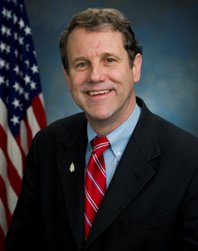
<p>With Democrats looking to expand the 2026 map as large as possible to pry away enough GOP-held U.S. Senate seats to win back control of the chamber, one of the states they hope to flip is Ohio – where recently unseated Sherrod Brown is poised to face appointed incumbent Jon Husted.</p>
<p>Brown, a former three-term U.S. Senator from the state’s Class I seat, is attempting to become the 23rd member of the chamber to serve in each of his state’s senate seats during the direct election era.</p>
<p>Over the last 223 years since statehood, four Ohioans have served in the U.S. Senate from both seats, with Democrat Howard Metzenbaum the only one to do so since the 1800s.</p>
<p>Metzenbaum was appointed to the Class III seat in January 1974 by Governor John Gilligan following the resignation of Republican William Saxbe to become U.S. Attorney General.</p>
<p>Metzenbaum then lost the Democratic primary that cycle to retired astronaut John Glenn but won his party’s nomination to the Class I seat in 1976 and returned to D.C. by unseating Robert Taft, Jr. in the general election in a rematch of the 1970 contest.</p>
<p>Three Ohio U.S. Senators served in both seats prior to the direct election era:</p>
<ul>
<li>Democratic-Republican Thomas Worthington: 1803-1807 (Class III) and 1810-1814 (Class I)</li>
<li>Anti-Jacksonian / Whig Thomas Ewing: 1831-1837 (Class III) and 1850-1851 (Class I)</li>
<li>Republican John Sherman: 1861-1877 (Class III) and 1881-1897 (Class I)</li>
</ul>
<p>Arizona’s Jon Kyl was the most recent U.S. Senator to accomplish this feat across the nation following his appointment by Governor Doug Ducey in September 2018 to fill the vacancy after John McCain’s death. Kyl served four months in the Class III seat, having previously held office from 1995 to 2013 in the Class I seat.</p>
<p>Three other U.S. Senators served from both seats with at least one stint partially in the 21st Century:</p>
<ul>
<li>Washington Republican Slade Gorton: 1981-1987 (Class III) and 1989-2001 (Class I)</li>
<li>North Dakota Democrat Kent Conrad: 1987-1992 (Class III) and 1992-2013 (Class I)</li>
<li>New Jersey Democrat Frank Lautenberg: 1982-2001 (Class I) and 2003-2013 (Class II)</li>
</ul>
<p>Brown would be the first U.S. Senator whose tenure in both seats fell entirely during the 21st Century.</p>
<p>Four states have had two U.S. Senators hold both seats during the direct election era.</p>
<p>Iowa:</p>
<ul>
<li>Republican Smith Brookhart: 1922-1926 (Class II) and 1927-1933 (Class III)</li>
<li>Democrat Guy Gillette: 1936-1945 (Class III) and 1949-1955 (Class II)</li>
</ul>
<p>Massachusetts:</p>
<ul>
<li>Democrat David Walsh: 1919-1925 (Class II) and 1926-1947 (Class I)</li>
<li>Republican Henry Cabot Lodge, Jr.: 1937-1944 (Class II) and 1947-1953 (Class I)</li>
</ul>
<p>New Jersey:</p>
<ul>
<li>Republican Warren Barbour: 1931-1937 (Class II) and 1938-1943 (Class I)</li>
<li>Democrat Frank Lautenberg: 1982-2001 (Class I) and 2003-2013 (Class II)</li>
</ul>
<p>West Virginia:</p>
<ul>
<li>Democrat Matthew Neely: 1923-1929 (Class I) and 1931-1941 (Class II)</li>
<li>Republican Chapman Revercomb: 1943-1949 (Class II) and 1956-1959 (Class I)</li>
</ul>
<p>The remaining U.S. Senators who represented their states from each seat are:</p>
<ul>
<li>Oklahoma Democrat Thomas Gore: 1907-1921 (Class III) and 1931-1937 (Class II)</li>
<li>Delaware Republican T. Coleman du Pont: 1921-1922 (Class I) and 1925-1928 (Class II)</li>
<li>Kentucky Democrat Alben Barkley: 1927-1949 (Class III) and 1955-1956 (Class II)</li>
<li>Idaho Republican John Thomas: 1928-1933 (Class III) and 1940-1945 (Class II)</li>
<li>Wyoming Democrat Joseph O’Mahoney: 1934-1953 (Class I) and 1954-1961 (Class II)</li>
<li>Indiana Republican William Jenner: 1944-1945 (Class III) and 1947-1959 (Class I)</li>
<li>Minnesota DFLer Hubert Humphrey: 1949-1964 (Class II) and 1971-1978 (Class I)</li>
<li>Connecticut Republican William Purtell: 1952 (Class III) and 1953-1959 (Class I)</li>
<li>Arizona Republican Barry Goldwater: 1953-1965 (Class I) and 1969-1987 (Class III)</li>
<li>Texas Democrat William Blakley: 1957 (Class I) and 1961 (Class II)</li>
</ul>
<p>The aforementioned North Dakotan Kent Conrad is of note because he moved from the state’s Class III to Class I seat in 1992 without a gap in service – unlike the other senators listed in this report.</p>
<p>Follow <strong>Smart Politics</strong> on <a href="https://x.com/SmartPolitics" target="_blank" rel="noopener"><strong>X</strong></a>.</p>
<p>The post <a href="https://smartpolitics.lib.umn.edu/2026/04/27/sherrod-brown-and-a-review-of-us-senators-holding-both-senate-seats/">Sherrod Brown and a Review of US Senators Holding Both Senate Seats</a> appeared first on <a href="https://smartpolitics.lib.umn.edu">Smart Politics</a>.</p>
]]></content>
		
					<link rel="replies" type="text/html" href="https://smartpolitics.lib.umn.edu/2026/04/27/sherrod-brown-and-a-review-of-us-senators-holding-both-senate-seats/?utm_source=rss&#038;utm_medium=rss&#038;utm_campaign=sherrod-brown-and-a-review-of-us-senators-holding-both-senate-seats#comments" thr:count="2" />
			<link rel="replies" type="application/atom+xml" href="https://smartpolitics.lib.umn.edu/2026/04/27/sherrod-brown-and-a-review-of-us-senators-holding-both-senate-seats/feed/atom/" thr:count="2" />
			<thr:total>2</thr:total>
			</entry>
		<entry>
		<author>
			<name>Dr. Eric Ostermeier</name>
					</author>

		<title type="html"><![CDATA[Do Kansas Democrats Smell Blood in the Water?]]></title>
		<link rel="alternate" type="text/html" href="https://smartpolitics.lib.umn.edu/2026/04/22/do-kansas-democrats-smell-blood-in-the-water/?utm_source=rss&#038;utm_medium=rss&#038;utm_campaign=do-kansas-democrats-smell-blood-in-the-water" />

		<id>https://smartpolitics.lib.umn.edu/?p=460121</id>
		<updated>2026-05-28T02:38:52Z</updated>
		<published>2026-04-22T15:48:11Z</published>
		<category scheme="https://smartpolitics.lib.umn.edu/" term="Kansas" /><category scheme="https://smartpolitics.lib.umn.edu/" term="U.S. Senate" /><category scheme="https://smartpolitics.lib.umn.edu/" term="news" />
		<summary type="html"><![CDATA[<a href="https://smartpolitics.lib.umn.edu/2026/04/22/do-kansas-democrats-smell-blood-in-the-water/" title="Do Kansas Democrats Smell Blood in the Water?" rel="nofollow"><img width="150" height="150" src="https://smartpolitics.lib.umn.edu/wp-content/uploads/2020/06/kansasdemocrats30-150x150.png" class="webfeedsFeaturedVisual wp-post-image" alt="Kansas Democratic Party logo" style="display: block; margin: auto; margin-bottom: 5px;max-width: 100%;" link_thumbnail="1" decoding="async" srcset="https://smartpolitics.lib.umn.edu/wp-content/uploads/2020/06/kansasdemocrats30-150x150.png 150w, https://smartpolitics.lib.umn.edu/wp-content/uploads/2020/06/kansasdemocrats30-300x300.png 300w, https://smartpolitics.lib.umn.edu/wp-content/uploads/2020/06/kansasdemocrats30.png 403w" sizes="(max-width: 150px) 100vw, 150px" /></a><p>The party is poised to field a record number of U.S. Senate primary candidates against a well-funded GOP incumbent despite a near century electoral drought.</p>
<p>The post <a href="https://smartpolitics.lib.umn.edu/2026/04/22/do-kansas-democrats-smell-blood-in-the-water/">Do Kansas Democrats Smell Blood in the Water?</a> appeared first on <a href="https://smartpolitics.lib.umn.edu">Smart Politics</a>.</p>
]]></summary>

					<content type="html" xml:base="https://smartpolitics.lib.umn.edu/2026/04/22/do-kansas-democrats-smell-blood-in-the-water/?utm_source=rss&#038;utm_medium=rss&#038;utm_campaign=do-kansas-democrats-smell-blood-in-the-water"><![CDATA[<a href="https://smartpolitics.lib.umn.edu/2026/04/22/do-kansas-democrats-smell-blood-in-the-water/" title="Do Kansas Democrats Smell Blood in the Water?" rel="nofollow"><img width="150" height="150" src="https://smartpolitics.lib.umn.edu/wp-content/uploads/2020/06/kansasdemocrats30-150x150.png" class="webfeedsFeaturedVisual wp-post-image" alt="Kansas Democratic Party logo" style="display: block; margin: auto; margin-bottom: 5px;max-width: 100%;" link_thumbnail="1" decoding="async" srcset="https://smartpolitics.lib.umn.edu/wp-content/uploads/2020/06/kansasdemocrats30-150x150.png 150w, https://smartpolitics.lib.umn.edu/wp-content/uploads/2020/06/kansasdemocrats30-300x300.png 300w, https://smartpolitics.lib.umn.edu/wp-content/uploads/2020/06/kansasdemocrats30.png 403w" sizes="(max-width: 150px) 100vw, 150px" /></a><p><strong>The party is poised to field a record number of U.S. Senate primary candidates against a well-funded GOP incumbent despite a near century electoral drought</strong></p>
<p><img decoding="async" class="size-full wp-image-455800 alignright" src="https://smartpolitics.lib.umn.edu/wp-content/uploads/2020/06/kansasdemocrats20.png" alt="Kansas Democratic Party logo" width="249" height="249" srcset="https://smartpolitics.lib.umn.edu/wp-content/uploads/2020/06/kansasdemocrats20.png 249w, https://smartpolitics.lib.umn.edu/wp-content/uploads/2020/06/kansasdemocrats20-150x150.png 150w" sizes="(max-width: 249px) 100vw, 249px" />When it comes to U.S. politics over the last century, perhaps nothing has been more certain than Republicans winning U.S. Senate seats in Kansas.</p>
<p>The GOP has reeled in a party-record 33 consecutive victories following Democratic incumbent George McGill’s victory in 1932.</p>
<p>A win this November would land Kansas Republicans the all-time mark of 34 in a row during the direct election era – breaking a tie with Louisiana Democrats from 1914 through 2002.</p>
<p>By all accounts, the Sunflower State should not be on anyone&#8217;s radar as Republicans attempt to fend off a Democratic attempt to pry back control of the nation’s upper legislative chamber this November.</p>
<p>Republicans are running U.S. Senator Roger Marshall, who has several million dollars of cash on hand for his reelection bid. Marshall also currently does not face any opposition in the August 4th primary, with a little more than five weeks until the filing deadline closes on June 1st.</p>
<p>Moreover, Kansas GOP nominees have won the last 13 elections since 1990 by an average of 31.4 points – the seventh largest margin in the country during this 18-cycle period. Each victory has been by a double-digit margin.</p>
<p>And yet, Democrats have come out of the woodwork this cycle with 10 candidates announcing their campaigns to challenge Sen. Marshall. The Kansas Democratic Party is not known for having a particularly deep bench and only one of these announced candidates holds political office (first term State Senator Patrick Schmidt of Topeka).</p>
<p>Barring a last-minute (and potentially field-clearing) candidacy by four-term U.S. Representative Sharice Davids, the number of Democrats to appear on the primary ballot for the U.S. Senate this August is poised to set a party record. [Of the 10 announced candidates, four have filed declaration of intention forms with the Kansas Secretary of State and six others (plus one overlapping both) have filed statement of candidacies with the Federal Election Commission].</p>
<p>Across the 42 primaries held for the U.S. Senate in Kansas since 1912, the largest number of Democratic U.S. Senate primary candidates has been seven – in a contest held more than 110 years ago in 1914.</p>
<p>That primary was won by two-term U.S. Representative George Neely of Hutchinson with 29.0 percent of the vote – 3.6 points ahead of attorney Hugh Farrelly of Chanute with 25.4 percent.</p>
<p>Farrelly, a former State Senator and attorney, was also the popular vote winner in the party’s 1912 primary, but nonetheless lost the nomination to 32nd Judicial District Court Judge William Thompson as the contest was determined by legislative units at that point in history.</p>
<p>Also on the seven-candidate Democratic primary ballot in 1914 were Galena attorney William Sapp (receiving 16.7 percent), Topeka Judge Frank Doster (11.1 percent), State House Speaker Willis Brown of Kingston (8.7 percent), former Populist one-term U.S. Representative and sitting Lansing State Penitentiary Warden Jeremiah Botkin of Winfield (6.6 percent), and Kansas City oil company executive William Plumb (2.6 percent).</p>
<p>Democrats have also fielded six U.S. Senate candidates twice: in 1980 (won by former Republican State Senator John Simpson) and 2022 (won by former Kansas City Mayor Mark Holland).</p>
<p>An average of 2.7 candidates have appeared on Democratic primary ballots for U.S. Senator since 1912 with seven nominees running unopposed: former Governor George Hodges in 1920, former Governor Jonathan Davis in 1930, former U.S. Senator George McGill in 1944, former Ellsworth County Attorney Paul Aylward in 1962’s special, Prairie Village anesthesiologist Arch Tetzlaff in 1972, Overland Park Bankers &amp; Investors Co. president James Maher in 1984, and State Treasurer Sally Thompson in 1996.</p>
<p>No Democrats ran for the office of U.S. Senator in one of these 42 primaries – during the 2002 cycle against Senator Pat Roberts.</p>
<p>The most competitive nomination fight took place in 1956 when Wichita furrier George Hart defeated the aforementioned Paul Aylward by 0.4 points in a four-candidate field.</p>
<p>Democrats have been nominated for the U.S. Senate with a plurality of the vote 10 times: in 1912 (William Thompson, 32.3 percent), 1914 (George Neeley, 29.0 percent), 1924 (State Senator James Malone of Topeka, 30.2 percent), 1956 (George Hart, 40.4 percent), 1966 (former three-term U.S. Representative J. Floyd Breeding, 49.9 percent), 1968 (Wichita attorney William Robinson, 40.9 percent), 1980 (John Simpson, 35.8 percent), 1986 (unemployed Wichita political newcomer Guy McDonald, 27.7 percent), 2010 (Baker University Dean Lisa Johnston, 31.3 percent), and 2022 (Mark Holland, 38.1 percent).</p>
<p>Follow <strong>Smart Politics</strong> on <a href="https://x.com/SmartPolitics" target="_blank" rel="noopener"><strong>X</strong></a>.</p>
<p>The post <a href="https://smartpolitics.lib.umn.edu/2026/04/22/do-kansas-democrats-smell-blood-in-the-water/">Do Kansas Democrats Smell Blood in the Water?</a> appeared first on <a href="https://smartpolitics.lib.umn.edu">Smart Politics</a>.</p>
]]></content>
		
					<link rel="replies" type="text/html" href="https://smartpolitics.lib.umn.edu/2026/04/22/do-kansas-democrats-smell-blood-in-the-water/?utm_source=rss&#038;utm_medium=rss&#038;utm_campaign=do-kansas-democrats-smell-blood-in-the-water#comments" thr:count="2" />
			<link rel="replies" type="application/atom+xml" href="https://smartpolitics.lib.umn.edu/2026/04/22/do-kansas-democrats-smell-blood-in-the-water/feed/atom/" thr:count="2" />
			<thr:total>2</thr:total>
			</entry>
	</feed>